Camel Pose (Ustrasana)
Uṣṭrāsana
oosh-TRAHS-anna • Camel Pose
A deep heart-opening backbend that promotes love, compassion, and emotional release
About This Pose
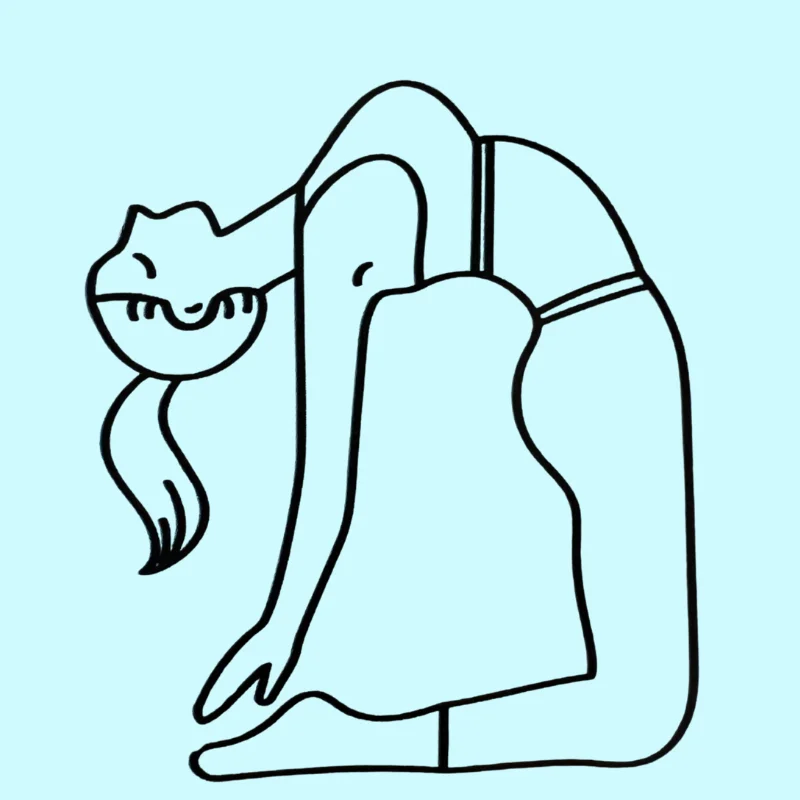
Camel Pose is a powerful heart-opening backbend that stretches the entire front body while activating the Heart Chakra (Anahata). This intermediate pose requires flexibility, strength, and courage to surrender into the deep backbend. It opens the chest, throat, and heart space, promoting emotional release and vulnerability. Regular practice helps release grief, cultivate compassion, and open oneself to giving and receiving love. The pose also improves posture and spinal flexibility.
Step-by-Step Instructions
These are traditional textual instructions. For safe alignment and live demonstrations, please also use the YouTube link at the end of this page and follow a qualified teacher who matches your body and experience level.
- 1Kneel on mat with knees hip-width apart
- 2Press tops of feet flat on the floor
- 3Place hands on lower back, fingers pointing down
- 4Inhale, lift chest and start to arch back gently
- 5Engage core and press hips forward
- 6Reach one hand back to grasp heel, then the other
- 7Drop head back gently (only if comfortable for neck)
- 8Keep thighs perpendicular to floor
- 9Hold for 30 seconds to 1 minute, breathing steadily
- 10To release, bring hands to lower back, lift torso slowly
Breathing Pattern
Breathe deeply into chest and heart. Inhale to expand chest and create space, exhale to deepen the backbend. Keep breath flowing steadily to stay open and release.
Benefits
Physical
- Opens chest and improves breathing capacity
- Stretches entire front body
- Improves spinal flexibility
- Strengthens back muscles
- Stimulates organs in abdomen and throat
Mental
- Releases emotional tension and grief
- Promotes feelings of openness and vulnerability
- Boosts confidence and courage
- Reduces anxiety and depression
- Energizes and uplifts mood
Energetic
- Opens and activates Heart Chakra (Anahata)
- Promotes love, compassion, and forgiveness
- Releases blocked heart energy
- Enhances capacity to give and receive love
- Connects heart with throat for authentic expression
Modifications
Easier Variations
- •Keep hands on lower back instead of reaching for heels
- •Tuck toes under for higher heel position
- •Use blocks beside ankles to reach hands
- •Keep head neutral instead of dropping back
Harder Variations
- •Reach for ankles instead of heels
- •Hold pose for longer duration
- •Walk hands further down calves
- •Add arm variations or deepen backbend
Contraindications
- Neck injuries or chronic neck pain
- Lower back problems or recent back surgery
- High or low blood pressure
- Migraine or headache
- Insomnia (practice earlier in day)
Focus Points
Learn This Pose on YouTube
Correct alignment can vary slightly between traditions and body types. For the physical technique and live demonstrations, please learn from a qualified teacher or a trusted video. The button below opens a basic YouTube search where you can choose a class that matches your level, language, and any health conditions.
Open YouTube Search